Joe-Webster_joferal_CT_Street-Art_1366x650

The Community Tree

Street-art, nature and a town re-imagining its future.


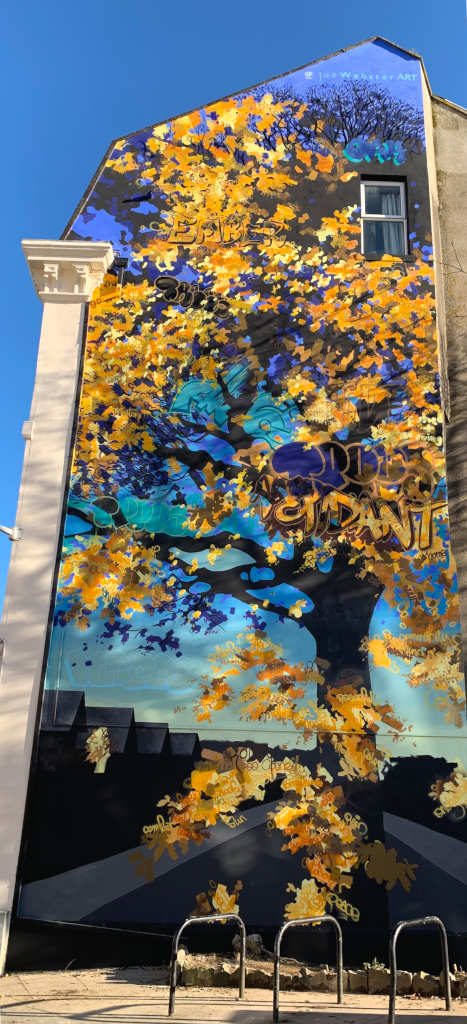
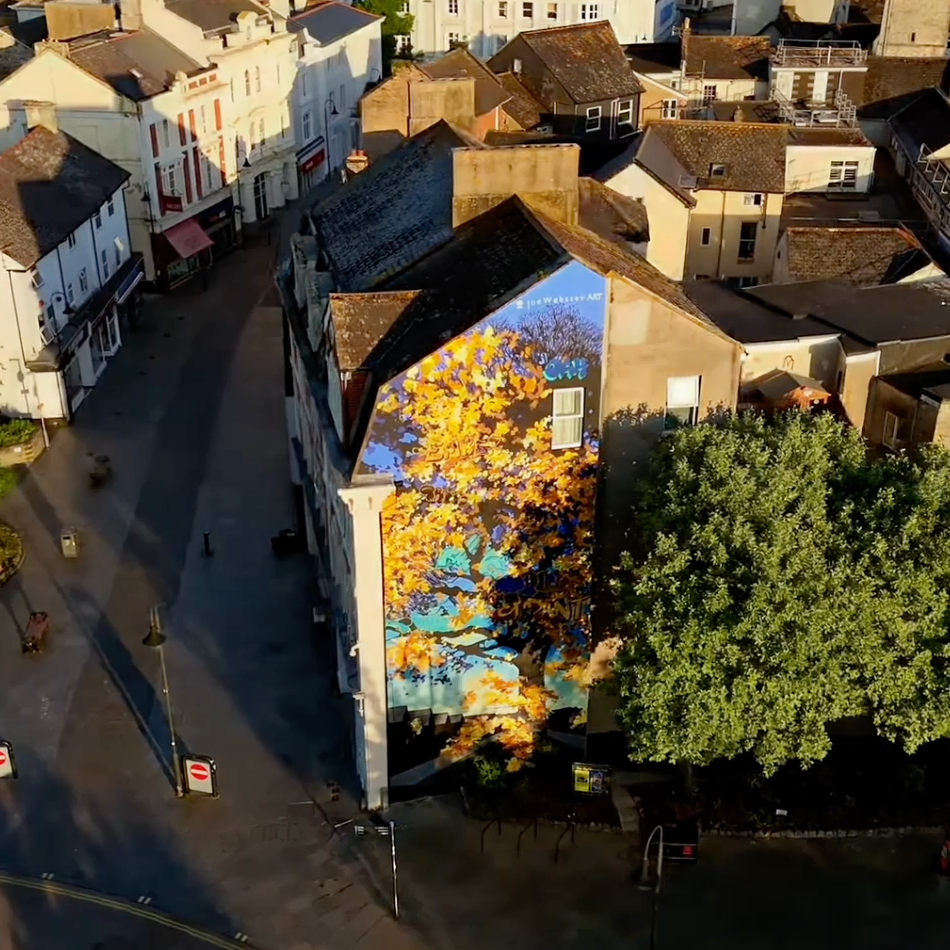
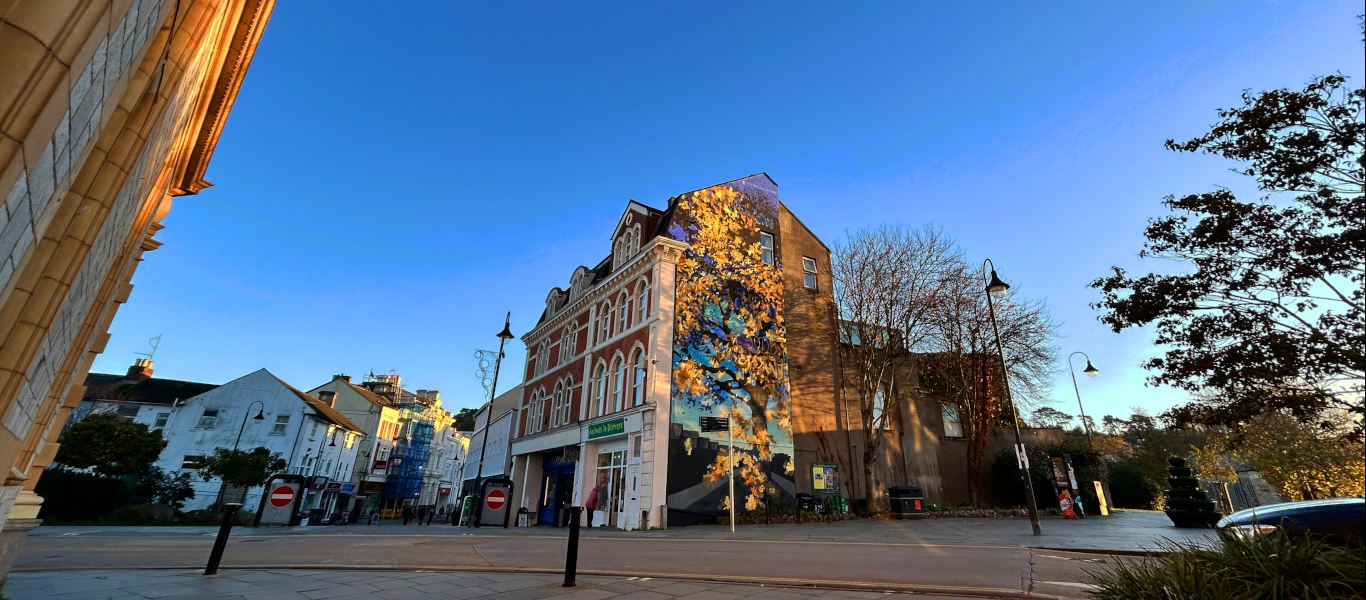
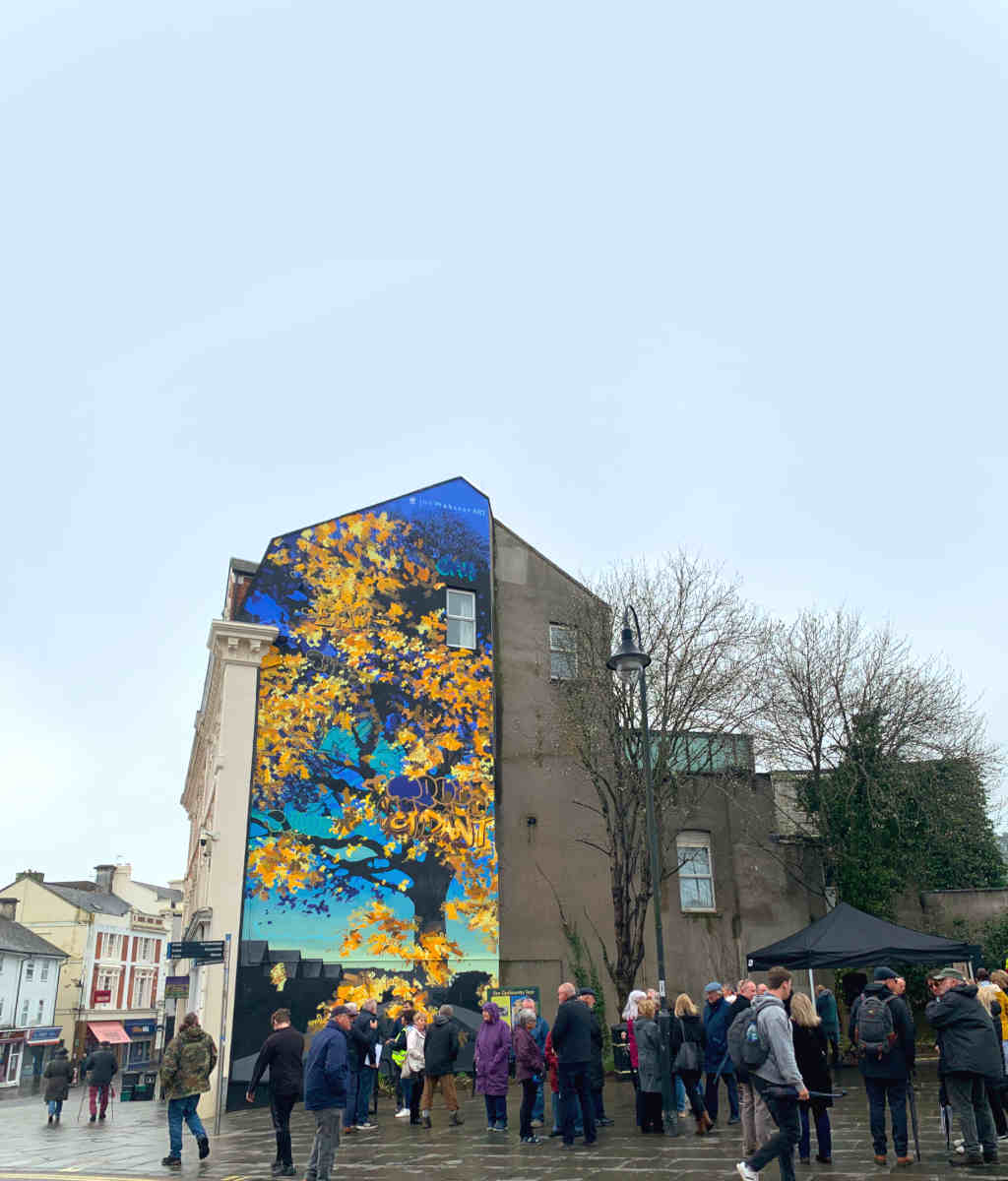
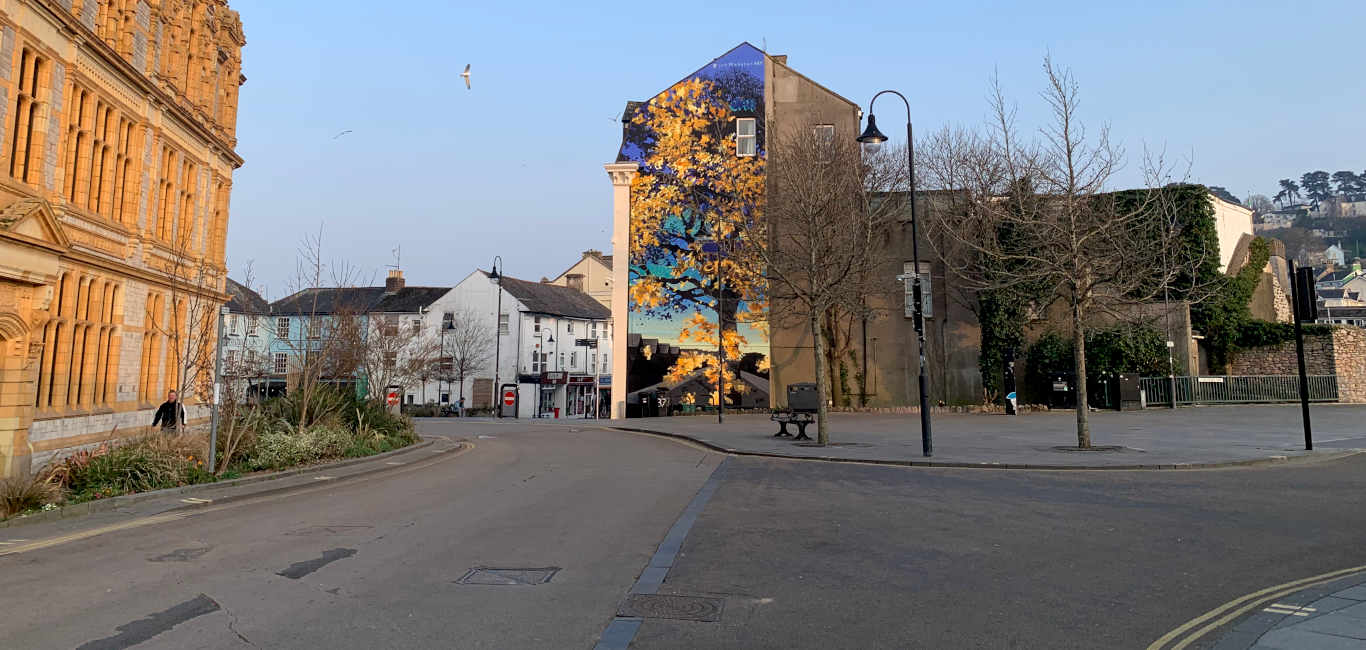
In Golden Lion Square, Newton Abbot, a 16-metre oak tree now climbs a once-blank wall. It isn’t growing out of soil. It’s painted straight onto brick: a piece of large-scale street-art built with colour, community handwriting and a lot of weathered masonry.


The work is called The Community Tree. It sits where people actually walk: between shops, buses, café tables and school runs. For local residents, it’s become a new landmark. For organisations looking at climate, eco and sustainable investment in place, it’s a live example of how street-art can carry more than decoration.
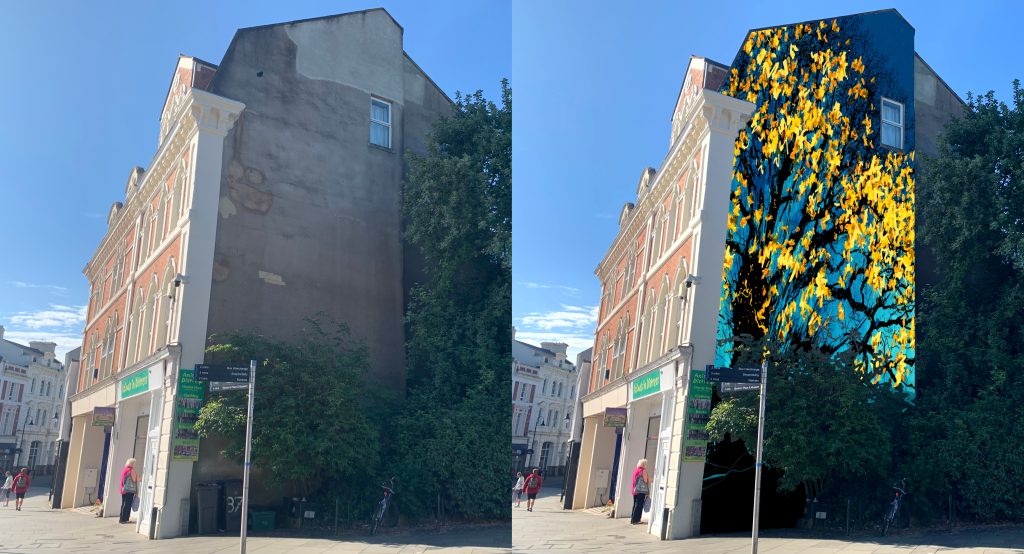
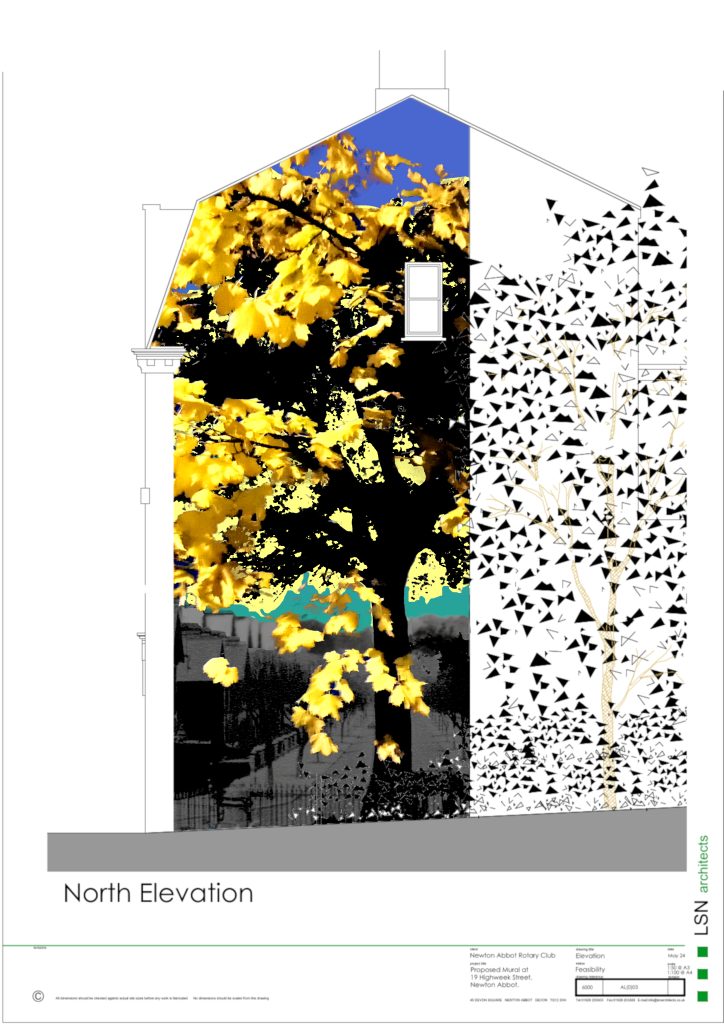
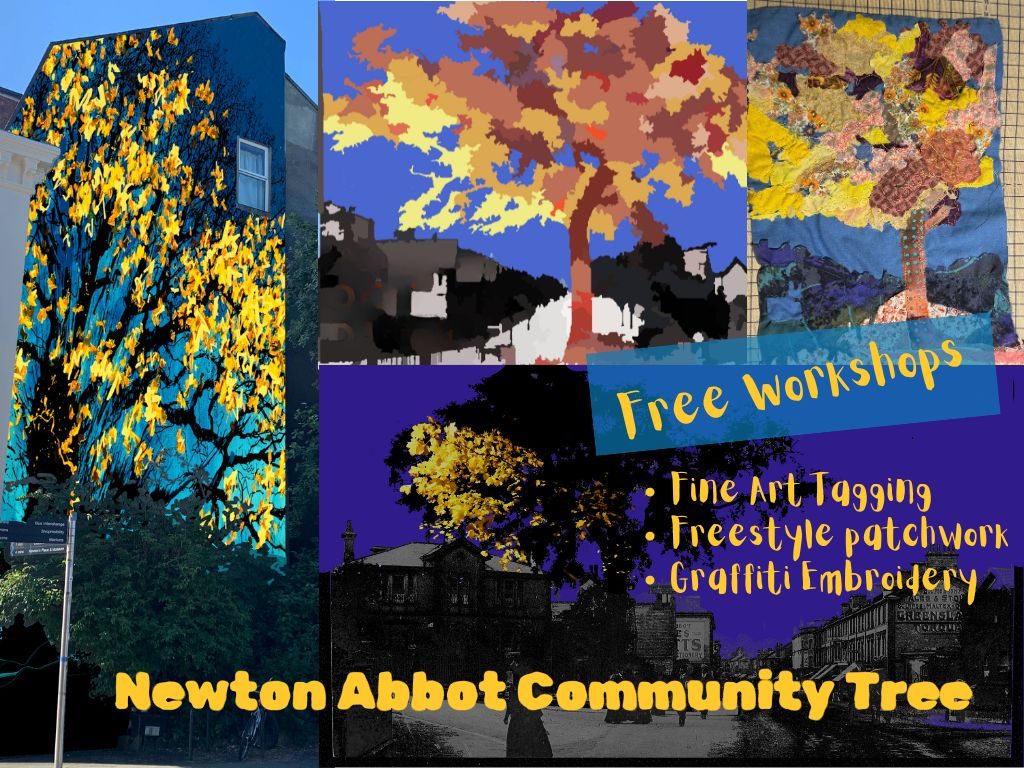
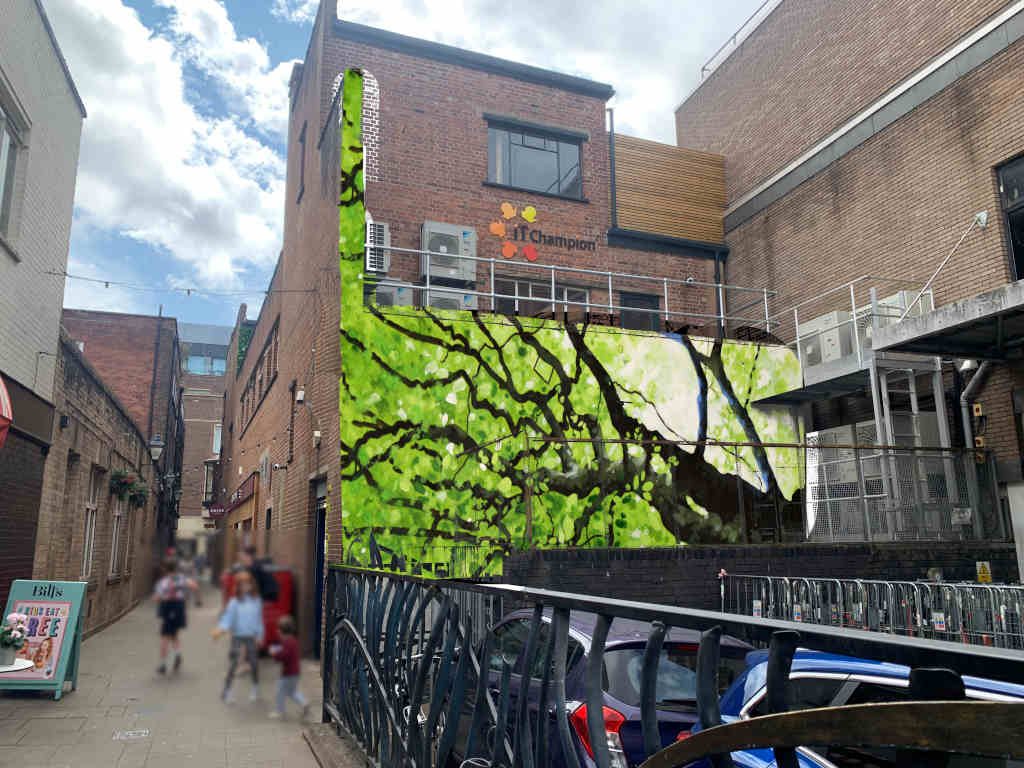
early stages: the original wall and the initial mock-up

A lost oak, a changing climate.


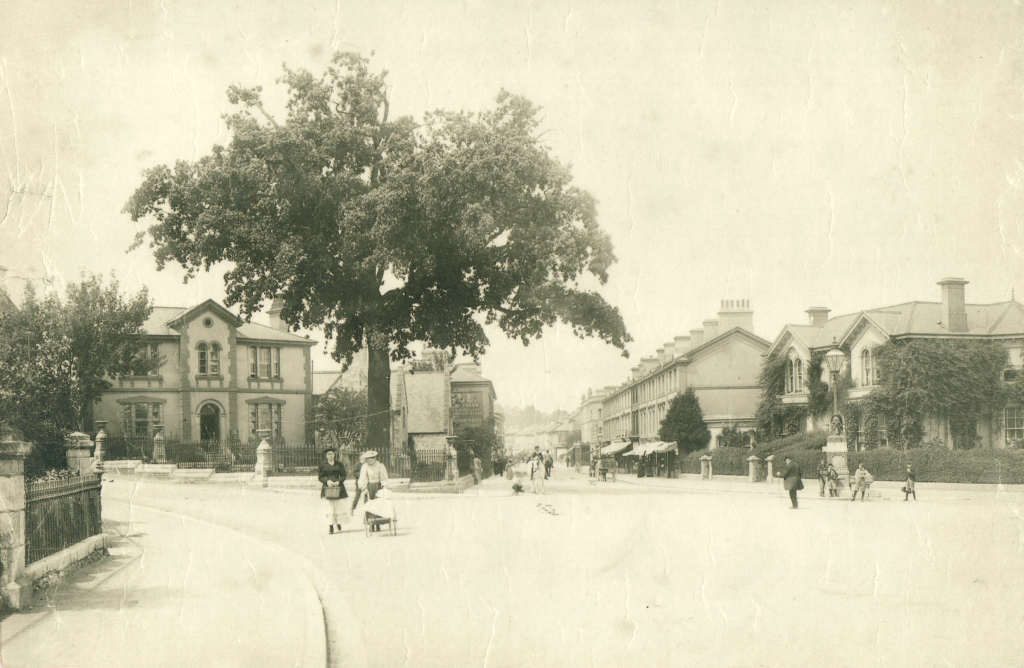
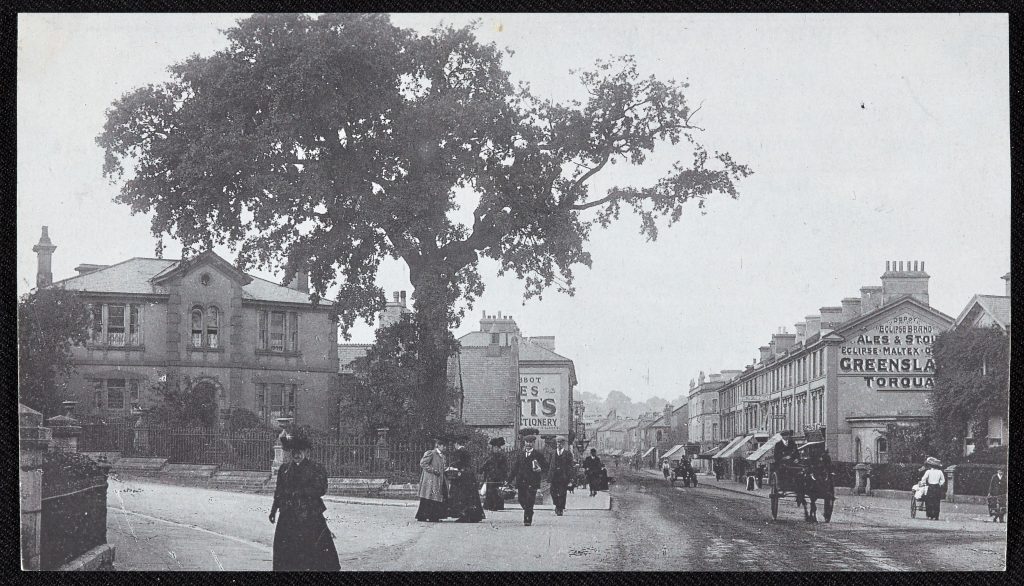
The Community Tree is based on a real oak that once stood a short walk away. The original tree was felled in 1922 to make way for Newton Abbot’s war memorial. At the time, the decision caused public outcry; people felt they’d lost a landmark and a living companion. Today, only the stories and a nearby street name, Oak Place, hint at what used to stand there.


A century on, we live in a different context. In 1922, nature in Britain felt abundant. In 2025, the same story sits inside a climate and biodiversity crisis. Thousands of trees were felled across Devon for the war effort; now, each mature oak feels like infrastructure in its own right.

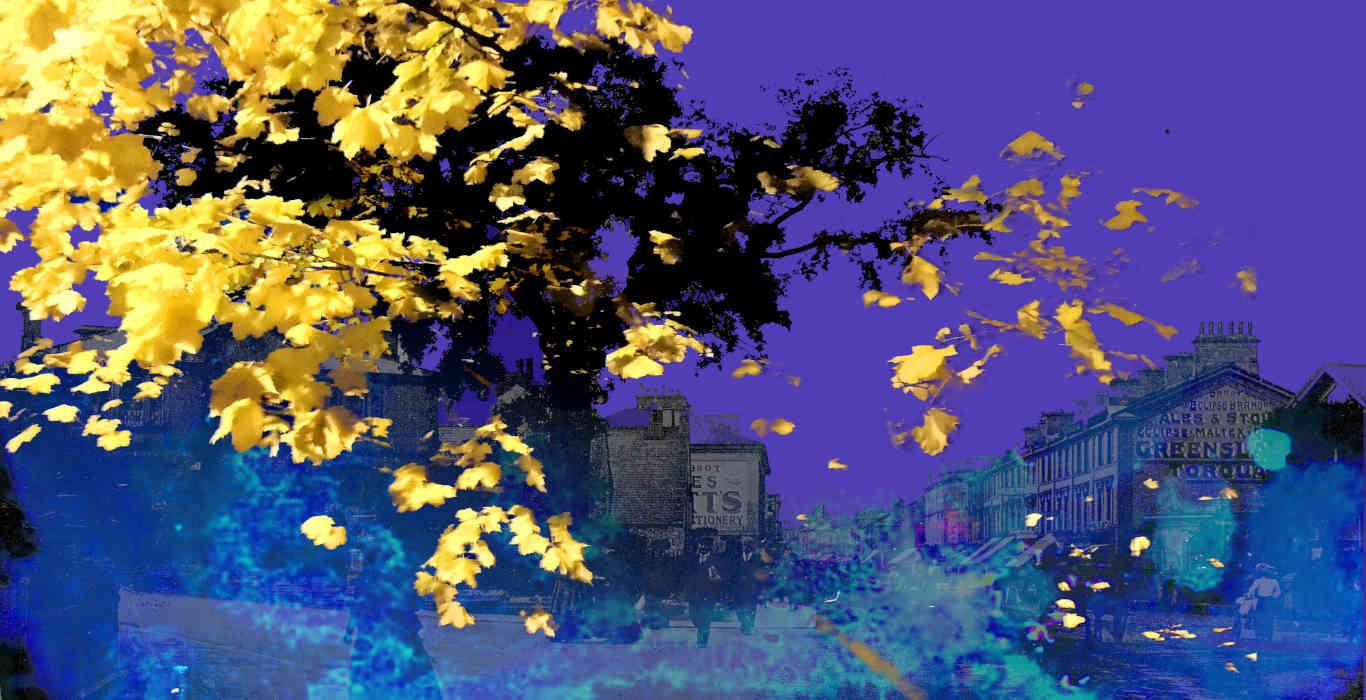
archive photos of the 1920s oak, courtesy Newton Abbot Museum

This street-art piece brings the lost oak back — not as a nostalgic sketch, but at full civic scale.

It holds two timelines at once:

the historic moment a community lost a tree, and
the present-day pressure to protect what’s left of our nature.
For commissioning partners, that’s the point: a single wall quietly carrying both memory and future-facing climate reality.

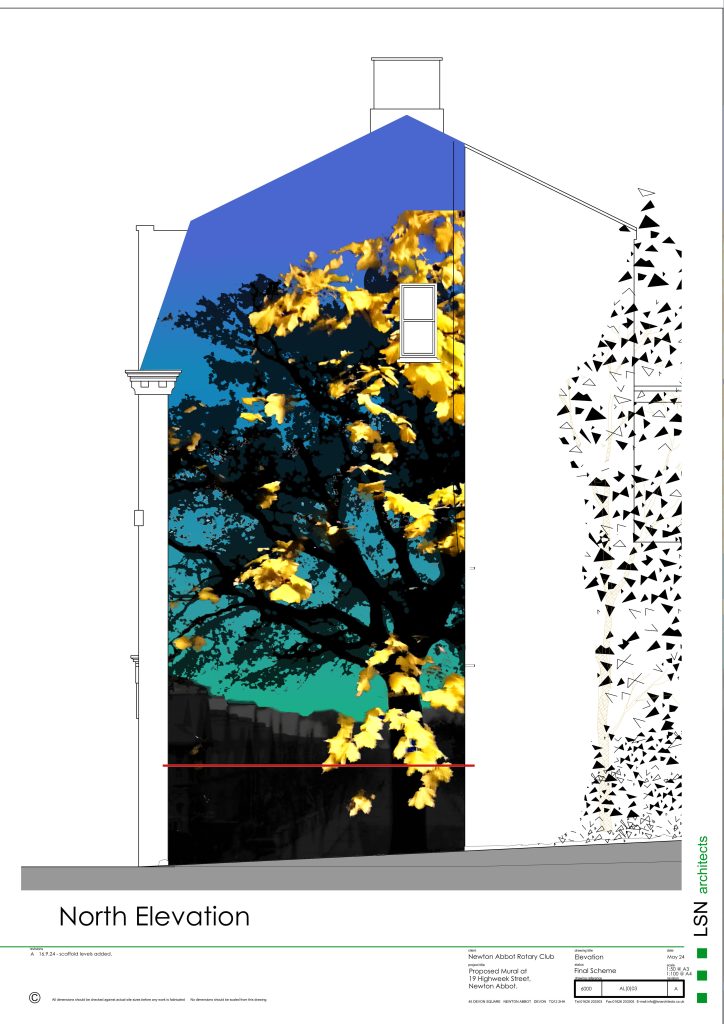
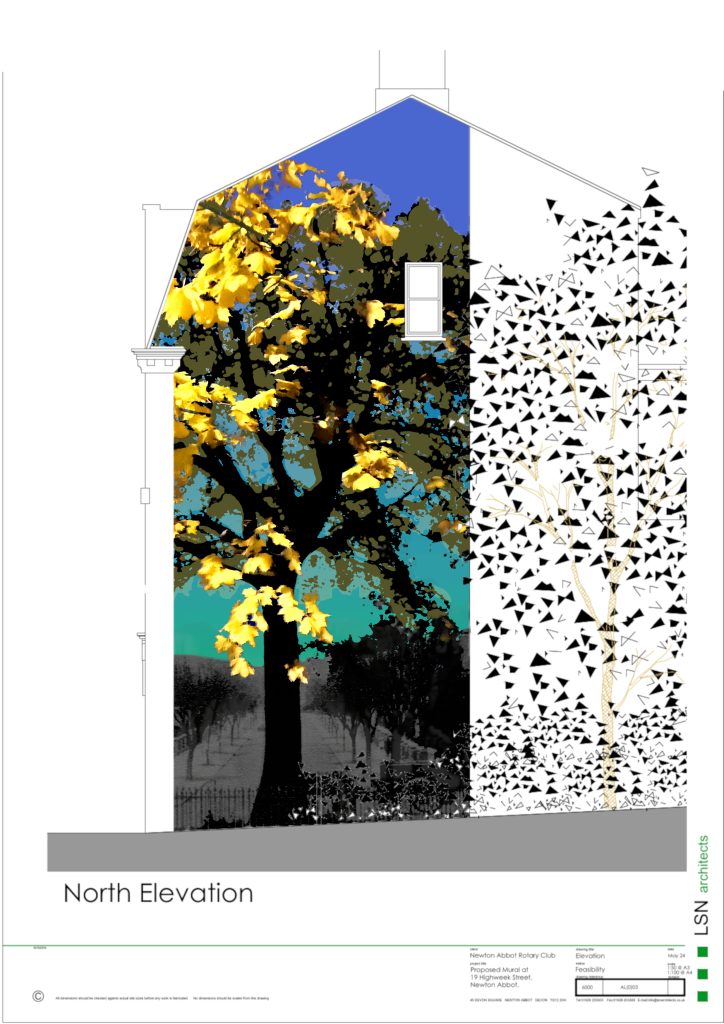
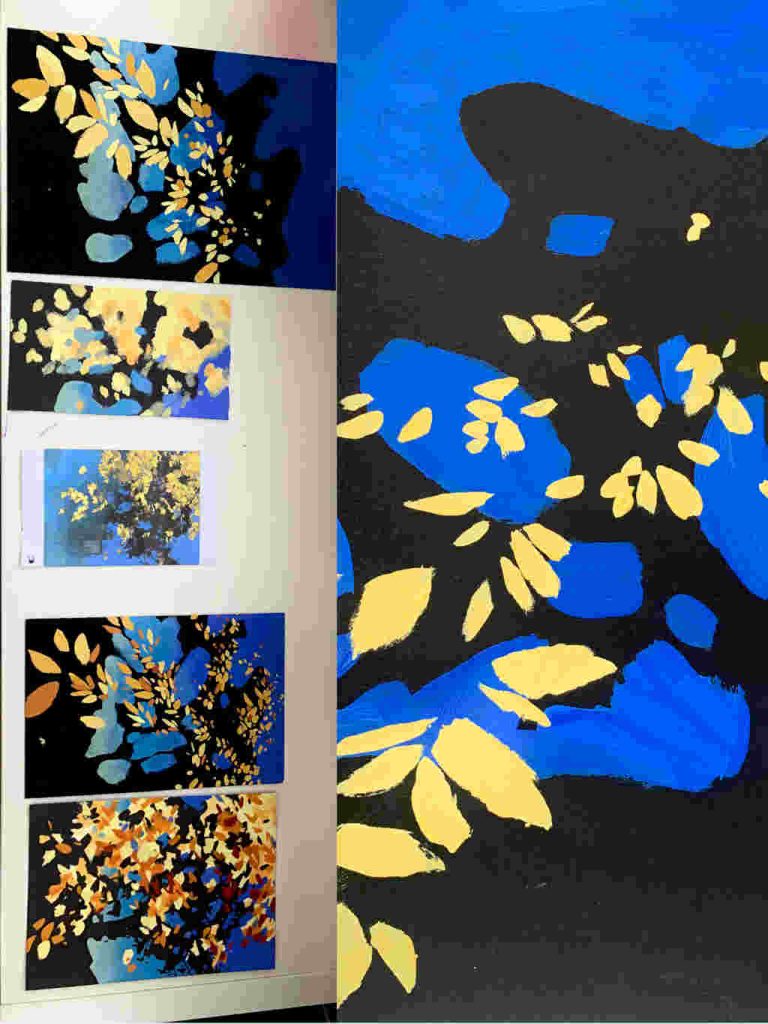
a few of the concept visuals during the design phase

Who brought it to life


The Community Tree was delivered as a collaboration between:


  • Artist: Joe Webster – landscape-graffiti street-artist, working across the UK.


  • Civic and community partners: Rotary Newton Abbot, Action on Climate Teignbridge, Significant Seams.


  • Local authority & funders: Teignbridge District Council via Levelling Up funding and other sources.


  • Education and youth partners: Newton Abbot College, Coombeshead Academy, primary schools, Newton Abbot Youth Council and numerous community groups.


It’s a useful model for anyone commissioning street-art in regeneration, development or health settings: organisational investment, cross-sector partnerships and a community-rooted design process, all converging on one site.

The Community Tree, 16 metres of oak, climate and community on brick

Community at the core: 600 voices in the canopy


From the start, The Community Tree was designed to be held by the community it sits in, not just dropped on them. The question wasn’t “What should this wall say?” but “How do local residents feel about nature and climate?”


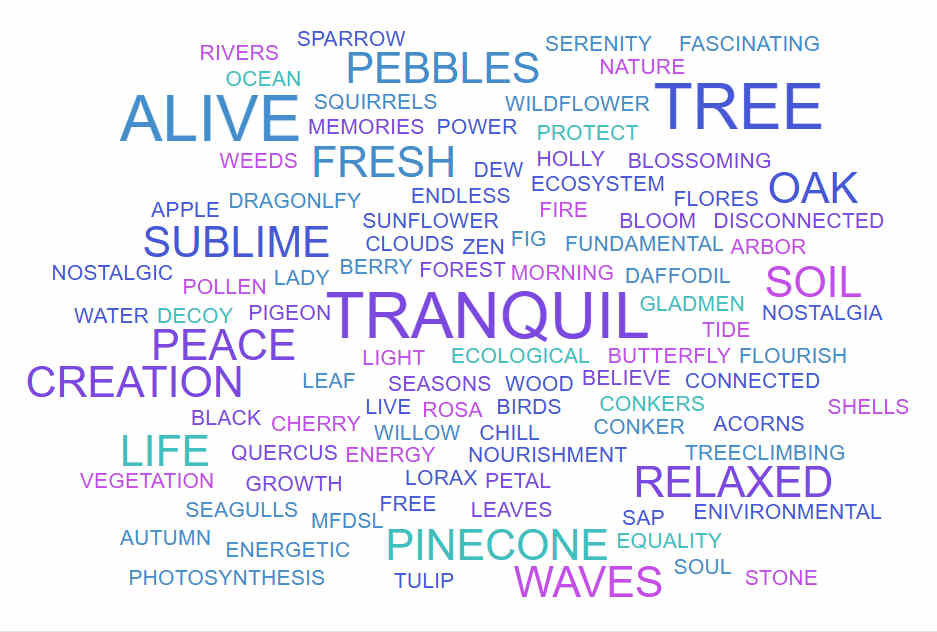
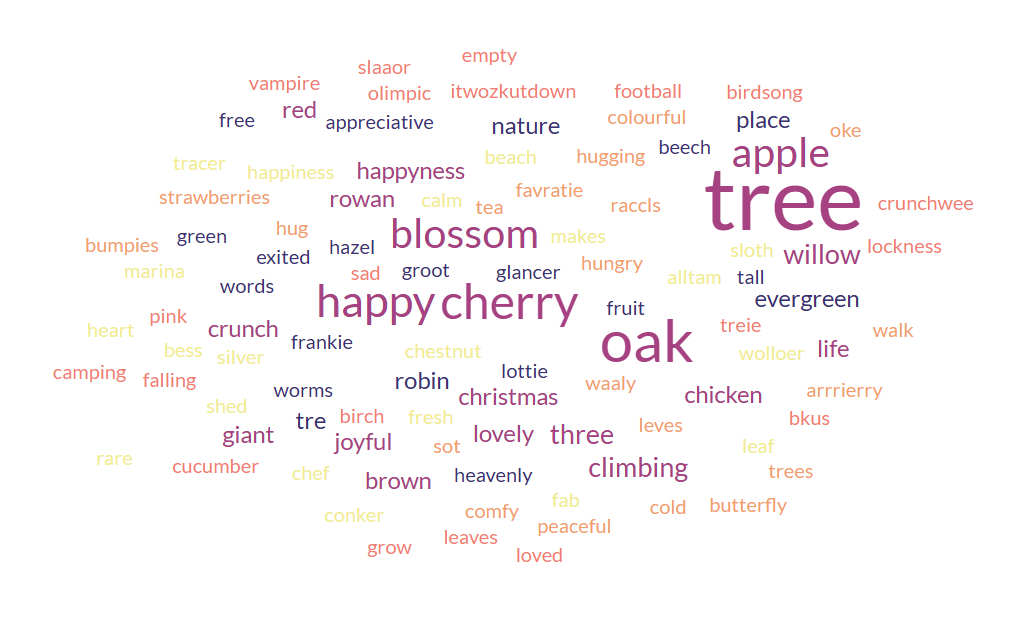
Residents across Newton Abbot were invited to share a word about their relationship with nature:

      • memories of favourite trees
      • local habitats and green spaces
      • what you like to do in nature
      • feelings about loss, recovery, safety and the future


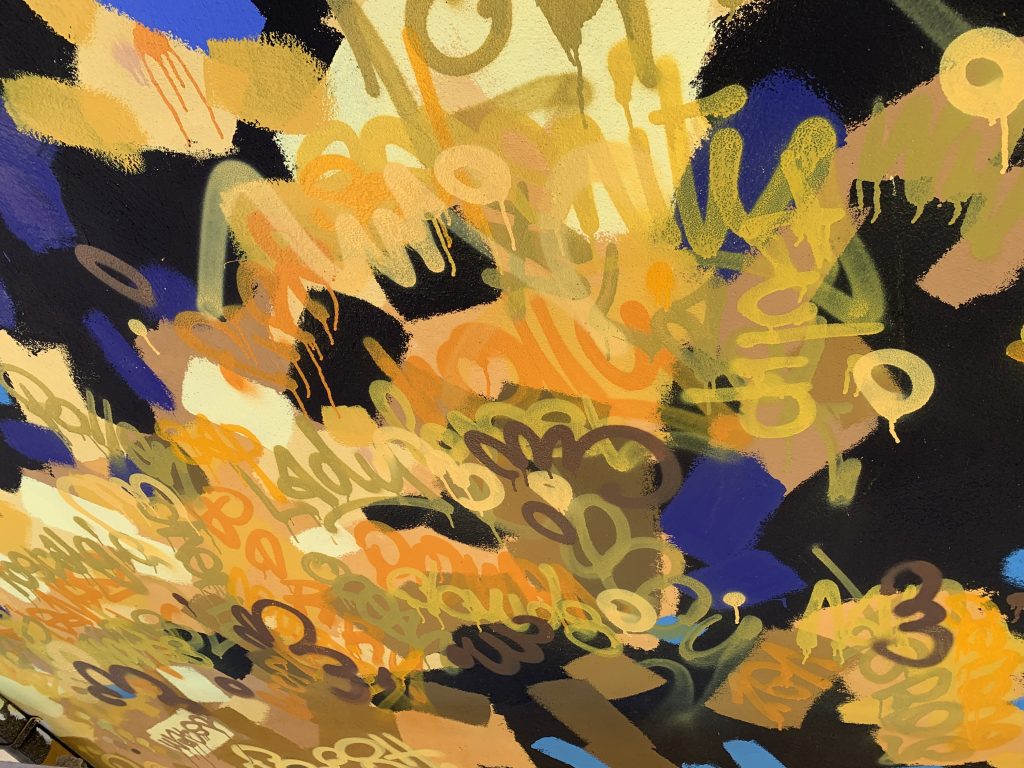
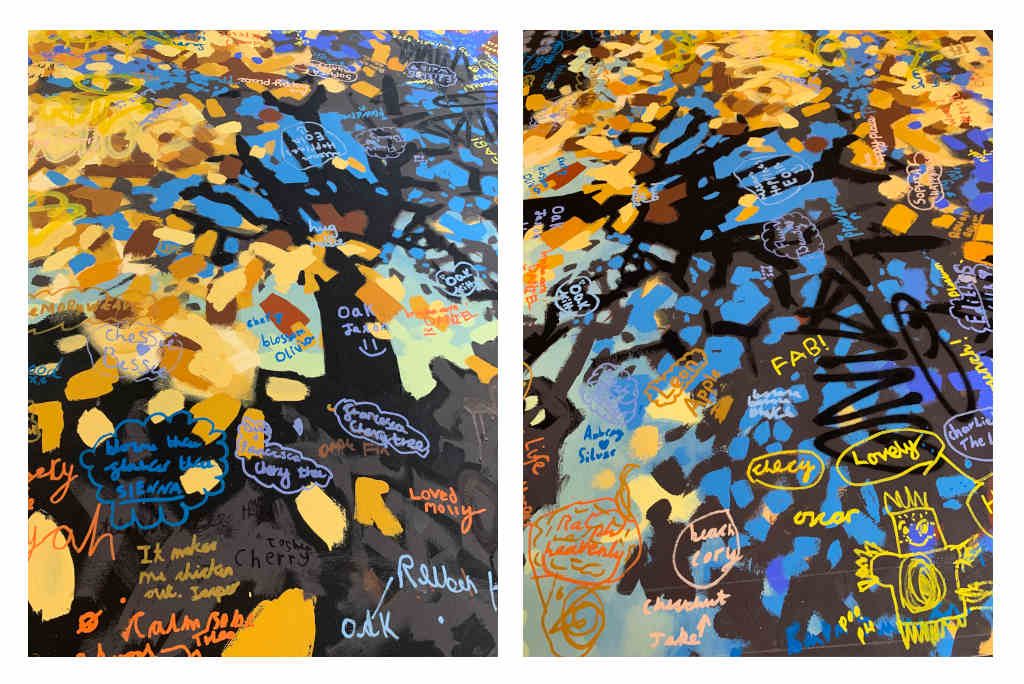
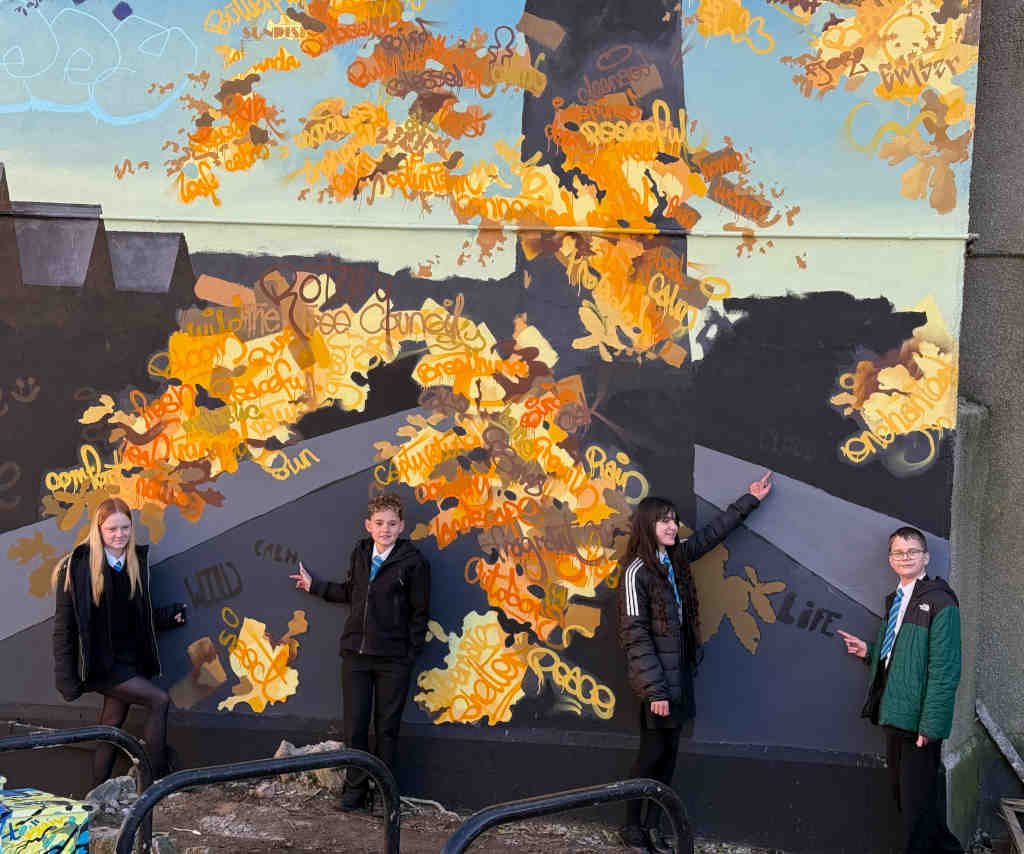
up close, the tree reads like a community notebook

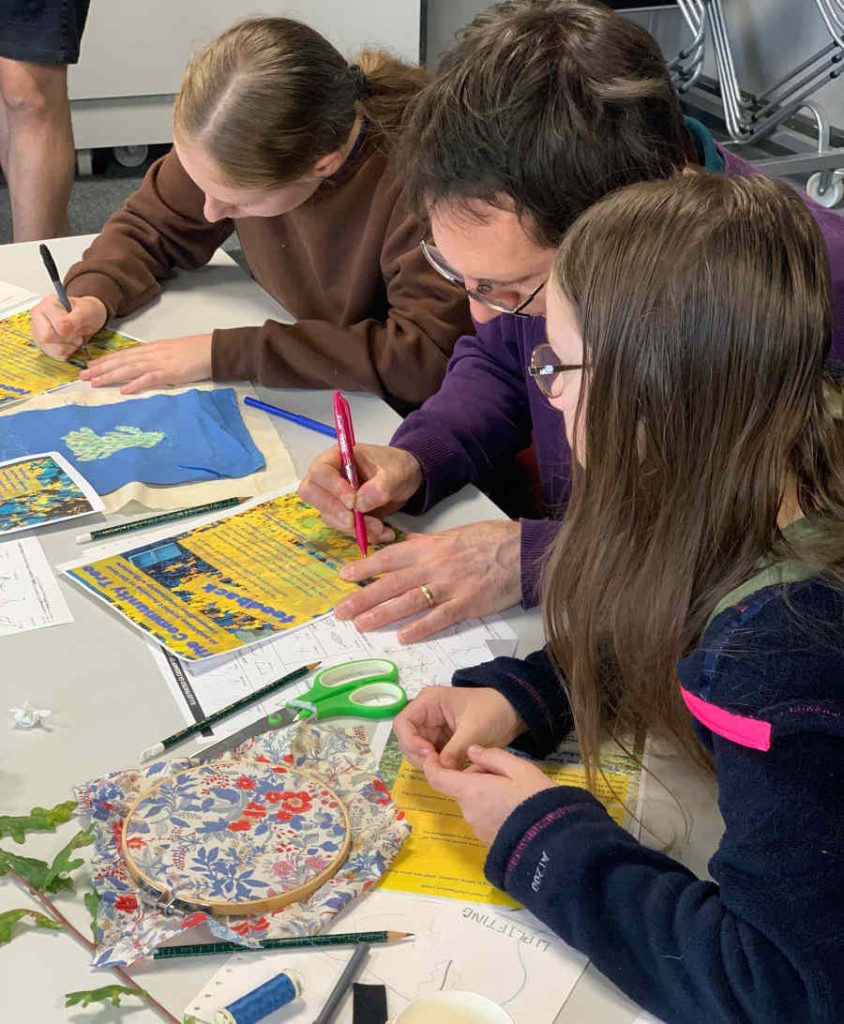
Those words arrived through 5,000 eco-printed invitations, hand-painted bird-box drop points, workshops in the museum and library, and sessions with writing groups and café communities.


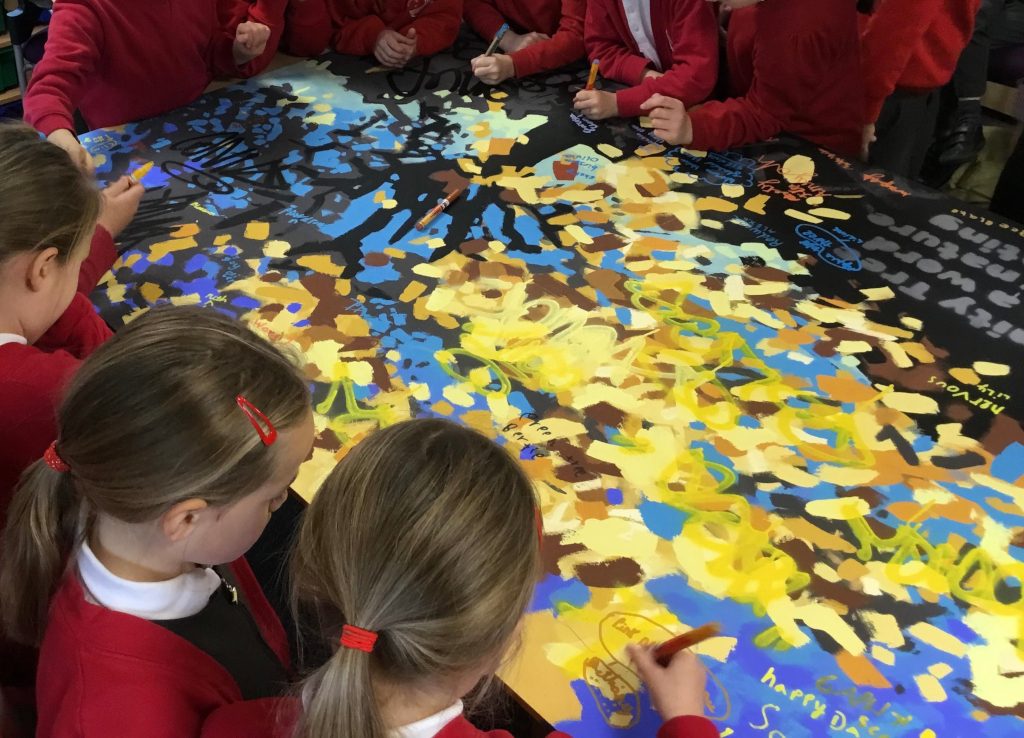
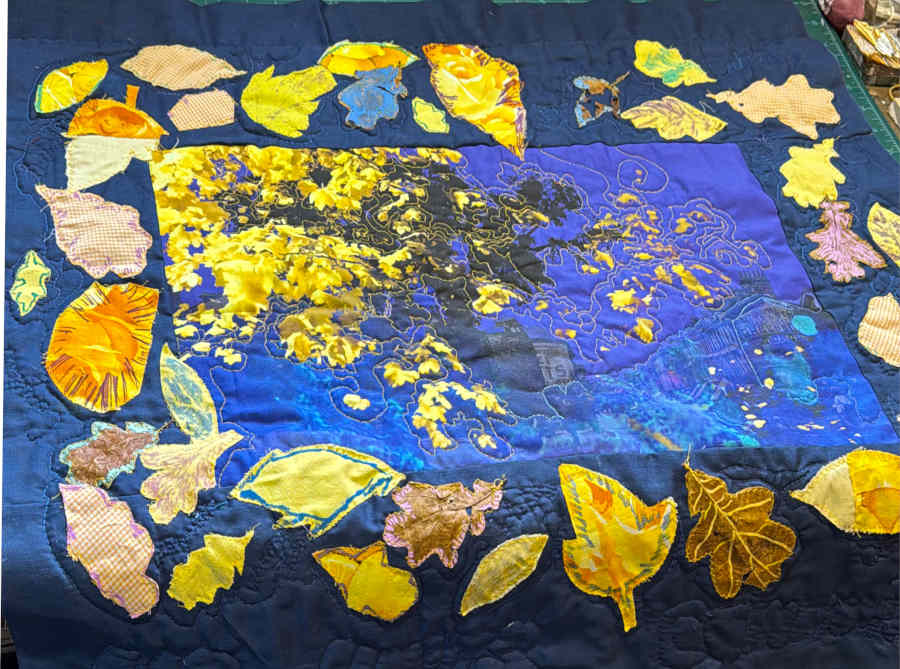
Schools were central. Newton Abbot College supplied a word from every pupil. Coombeshead Academy’s graphics students produced three-metre stencils used in the final design. Primary pupils wrote their words directly onto a painted panel of the tree, which was then folded into the street-art on the wall.


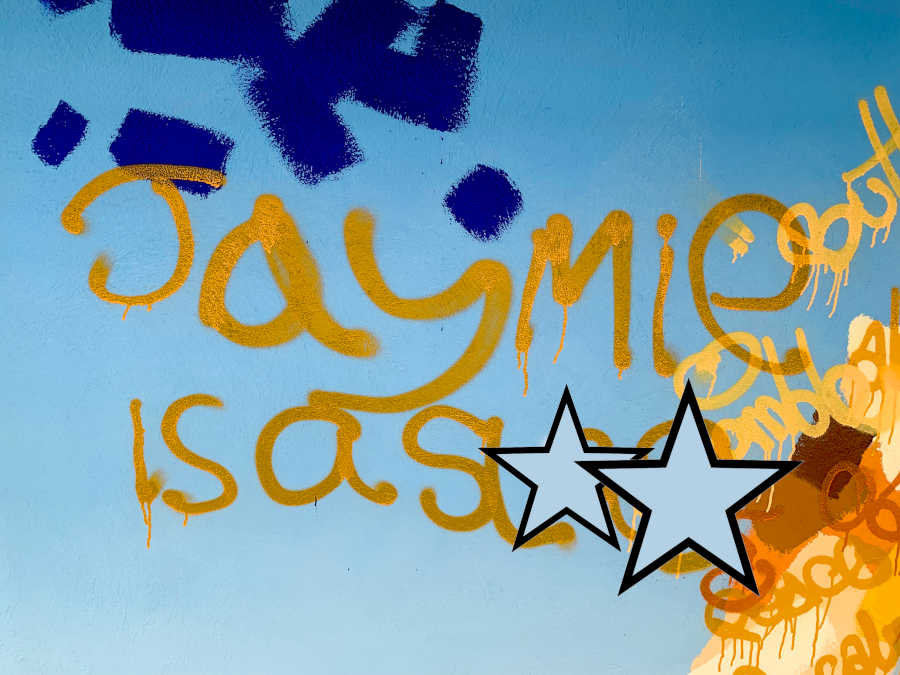
In the end, 634 people contributed words which were layered into the foliage as graffiti-style lettering – a chorus of local voices embedded in the canopy.


From a distance, the wall reads as a single oak. Up close, you find fragments like calm, roots, change, wild, home. For organisations, this is where the social value becomes visible: residents can literally see their contributions written into the fabric of the town.

1Joe-Webster_joferal_CT_Street-Art_dusk_1366x600

Turning a blank façade into social infrastructure


Before the project, the wall in Golden Lion Square was a tall, tired backdrop – a typical piece of under-used town-centre real estate. Now it’s doing more than keeping the rain out.


The finished street-art has:


  • shifted how safe and welcoming the square feels to local residents
  • created a recognisable meeting point and wayfinding marker
  • become a visual anchor for neighbouring businesses and footfall routes


Locals describe “palpable excitement” about the transformation and call it one of the best additions to the town in decades. Even a local Facebook group, famous for criticising almost everything, offered unusually full-throated praise.


In regeneration language, you could call this placemaking, public-realm uplift, or social infrastructure. On the ground, it’s simpler: a once-ignored wall now holds a shared story people actually use.

CT-gathering_1024x1200

A FEW SOCIAL COMMENTS

"your work is absolutely breath-taking, I love it, can you believe I had tears in my eyes when I looked at it!"

"I love it. Please can you do more?"

"I love that your work unites everyone at a time when there’s so much division. Shows we have more in common than we sometimes think … Thank you. It’s wonderful."

"It's truly beautiful and improves that area vastly. I love that I can notice new things in it each time I walk past."

same wall, new signal: a square that now feels claimed, not leftover

in the middle: between formal commission and real street energy

Youth, conflict and collaboration


No honest story about street-art in public space skips over friction.


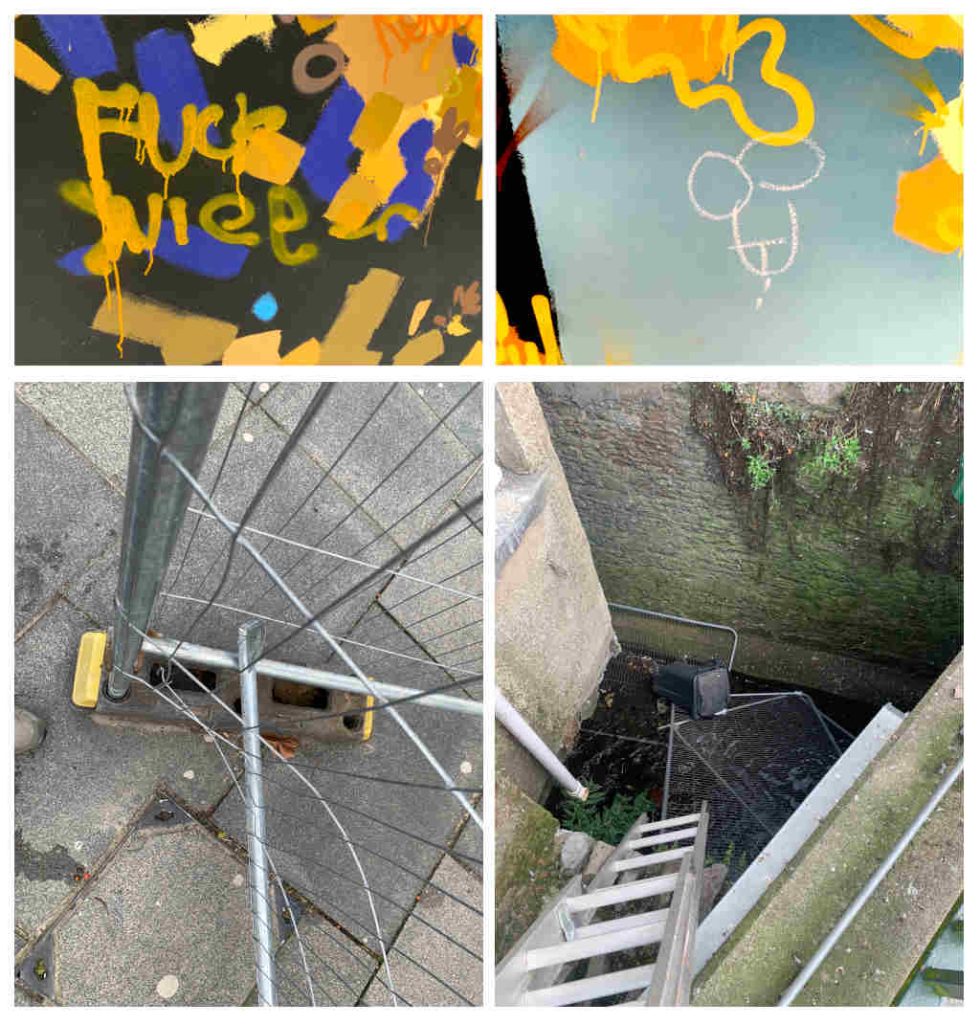
During the production phase the site saw vandalism, damage, harassment, trespassing and a reported assault. Police were involved; there was real concern.


Rather than treat this as a separate problem, Joe used it as a trigger for deeper engagement:

  • working with the local PCSO to reach disaffected young people
  • inviting them into conversation instead of simply pushing them away
  • expanding links with secondary schools and youth groups


Some of the very demographics associated with the issues ended up in workshops, on site conversations, or feeding ideas into the final piece. The oak’s canopy now holds words and phrases from young people who might otherwise see town-centre development as something done to them, not with them.


The fine-art landscape feel appeals to older generations; the graffiti-influenced lettering and hidden words speak to younger ones. Together, they create a cross-generational street-artwork that sits comfortably between official commission and authentic street culture.

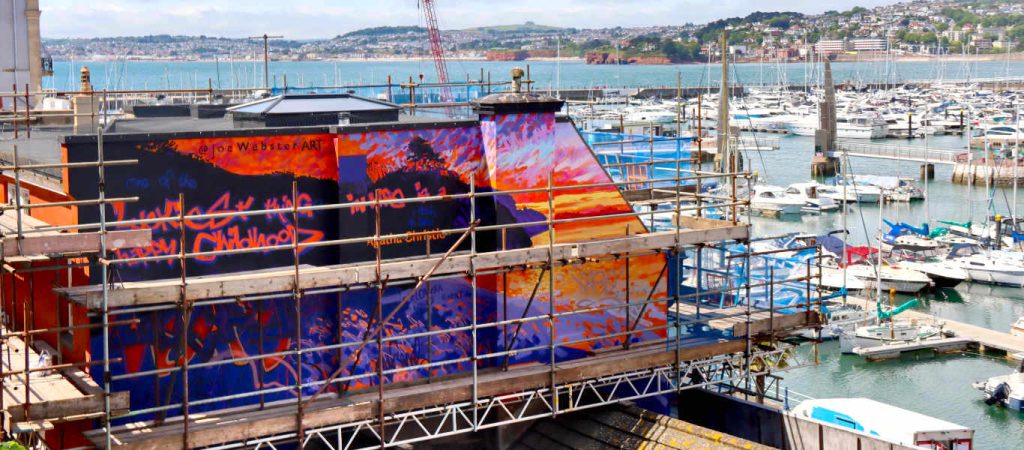
The-Community-Tree (onScaffold) by JoeWebster_1366x700

Nature, memory and everyday mental health


Community conversations around The Community Tree made one thing very clear: trees hold a lot of emotional weight.


In workshops, people shared:

  • the tree that “got them through” exams
  • a dead “skeleton tree” that was equal parts eerie and compelling
  • the “dinosaur tree” in a local park, fallen and re-grown in an arc perfect for climbing


The project also surfaced heavier stories, including a tree linked to local suicides and memories of oaks felled en masse for the First World War.


By bringing these stories into a central, visible piece of street-art, the work doesn’t offer easy slogans. Instead, it holds space for how nature affects mental health, grief, risk and play — and how much value people quietly place on green space in their daily lives.


For a commissioning organisation, this is part of the social value: supporting public conversations about wellbeing, memory and environment without a single PowerPoint slide.

a high-street canopy carrying collective feelings into public space

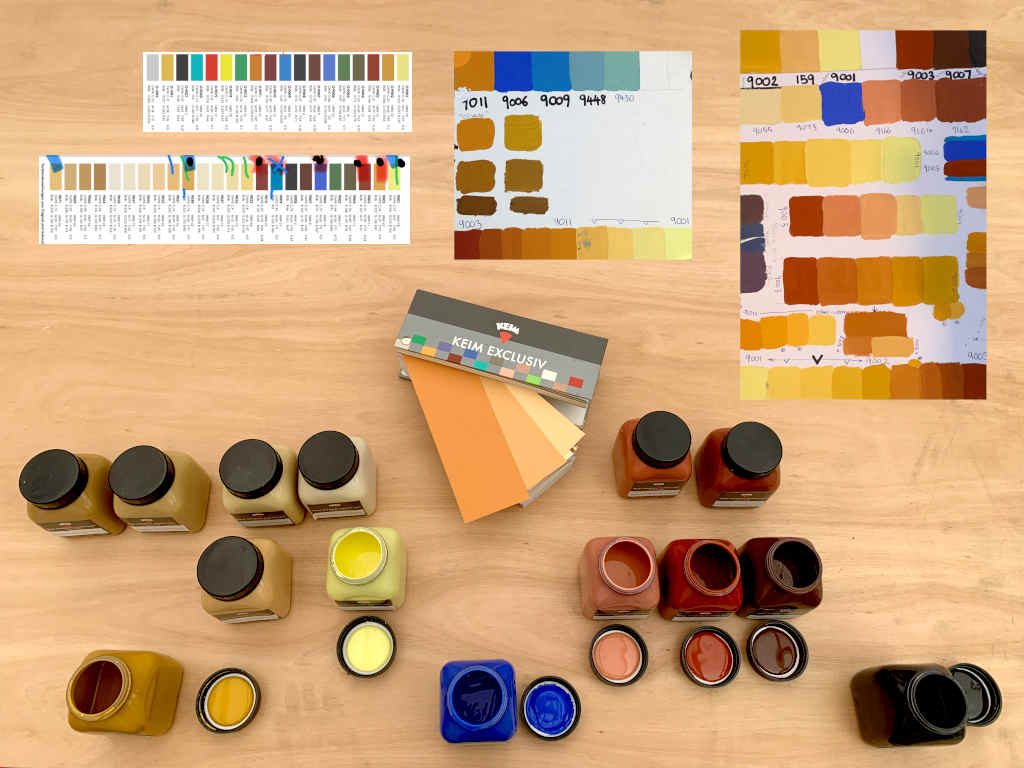
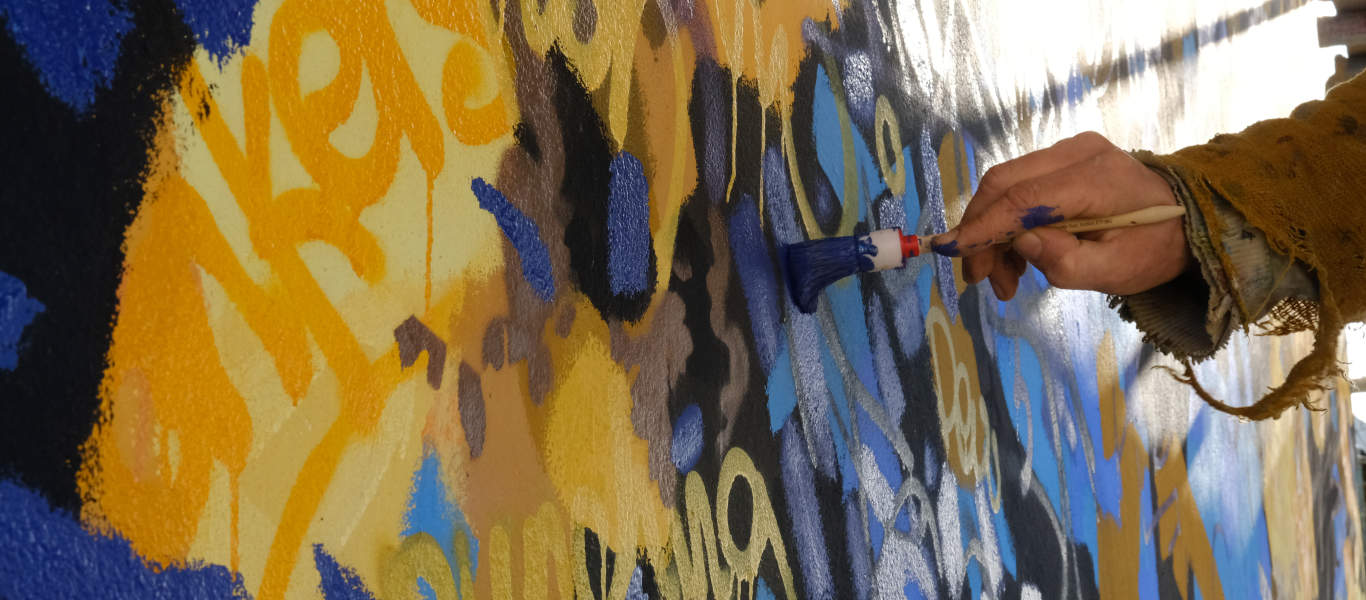
mineral paints and spray: materials tuned to both wall and values

Eco and sustainable choices behind the scenes


The Community Tree isn’t just thematically “green”. The production choices reflect eco and sustainable thinking too.


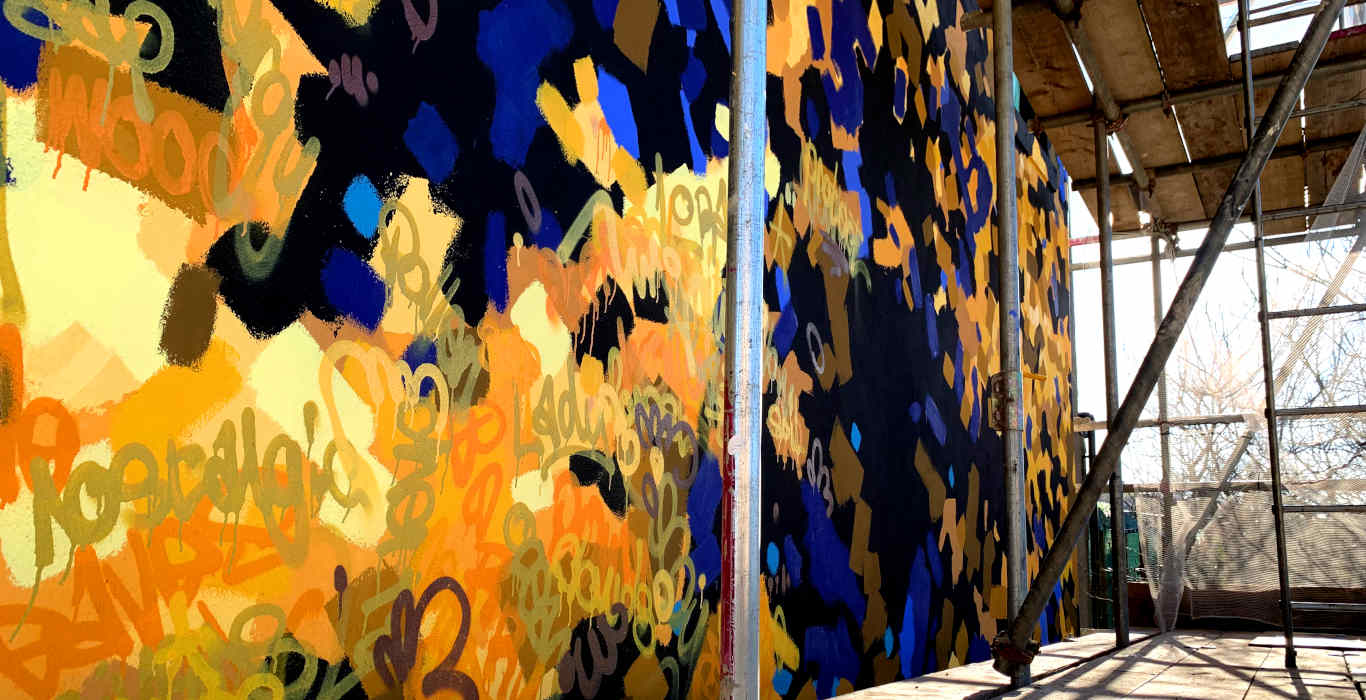
Delays in funding and building work meant the wall was only available in colder, wetter months. Rather than force conventional masonry and spray paints into poor conditions, the project pivoted to a mineral-based paint system with high breathability and strong sustainability credentials — the same family of paints Joe often specifies for long-life, low-impact work.


Spray-paint use was focused on key details and lettering, with an eye on durability vs footprint. The combination delivers:

  • a long-lasting finish on a challenging wall
  • lower environmental impact over the life of the piece
  • technical credibility for partners with materials or ESG policies to consider


For developers, housing associations and climate-ambitious brands, that’s a straightforward win: the street-art reads as nature-centred on the surface and eco-literate in its construction.

Joe-Webster_joferal_CTclose_1366x600_3

Legacy, recognition and what it unlocks


Since completion, The Community Tree has:

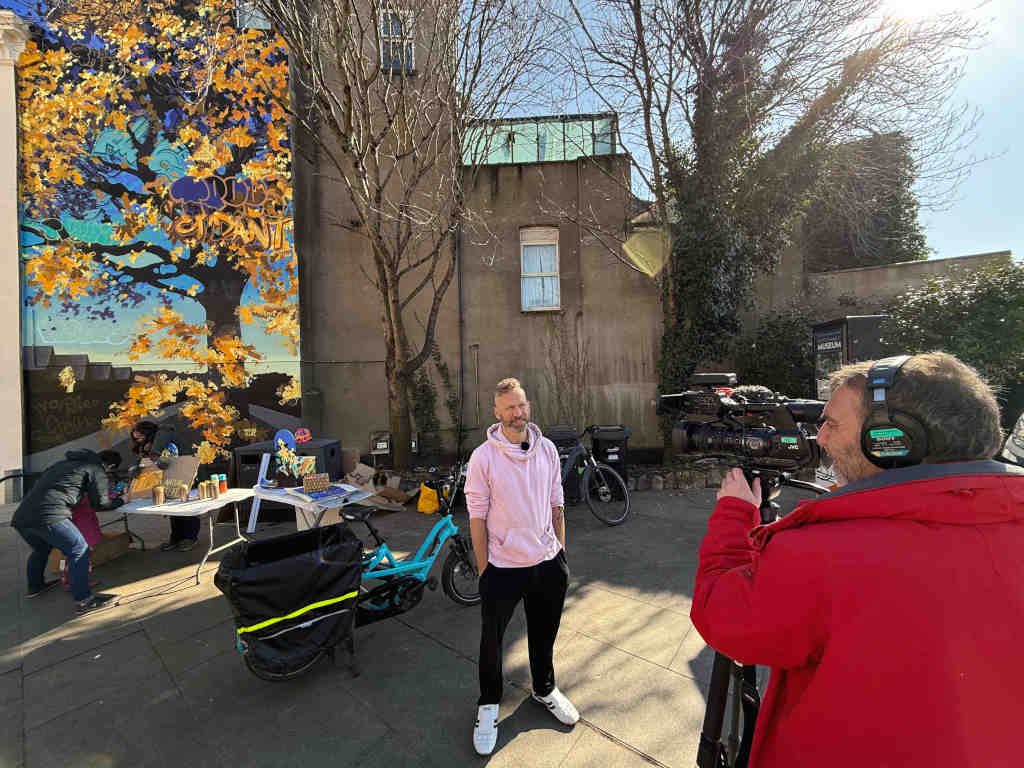
  • been featured on BBC Spotlight and received strong regional coverage
  • been nominated for Teignbridge Stars awards
  • inspired other local cultural groups to explore public-art projects
  • become a reference point for future conversations about public space, community and climate in Newton Abbot


Impact will play out over years rather than weeks, but early signs are clear: people use the wall as a landmark, attach their own stories to it, and point to it when talking about the town’s future.


For organisations, it functions as a visible, long-term signal: investment in culture, nature and community made concrete (well, brick) in a central civic space.

a wall that keeps working long after the scaffolding is gone

What happens if we treat a blank wall as a serious tool for community, climate and culture — not just a surface?

Thinking about your own site


The Community Tree is one answer to a simple question:

What happens if we treat a blank wall as a serious tool for community, climate and culture — not just a surface?


Every site is different. Not every project needs 16 metres of oak. But if you’re working on:

  • a regeneration or development site
  • an HQ or campus with important internal routes
  • a health, education or public-realm setting where people’s daily experience of place matters


…then the same principles can apply: street-art that is commissioned by climate-ambitious organisations, and genuinely held by the communities who live alongside it.

Thinking about a street-art project of your own?


If you’re interested in exploring what that might look like for your wall, you can reach out via these links — or simply start by standing in front of The Community Tree, counting how many words you can find, and imagining what your own site might say.


Explore more of my street-art work


Tell me about your wall and what you’re trying to achieve

The Community Tree_LayerSlider IMG