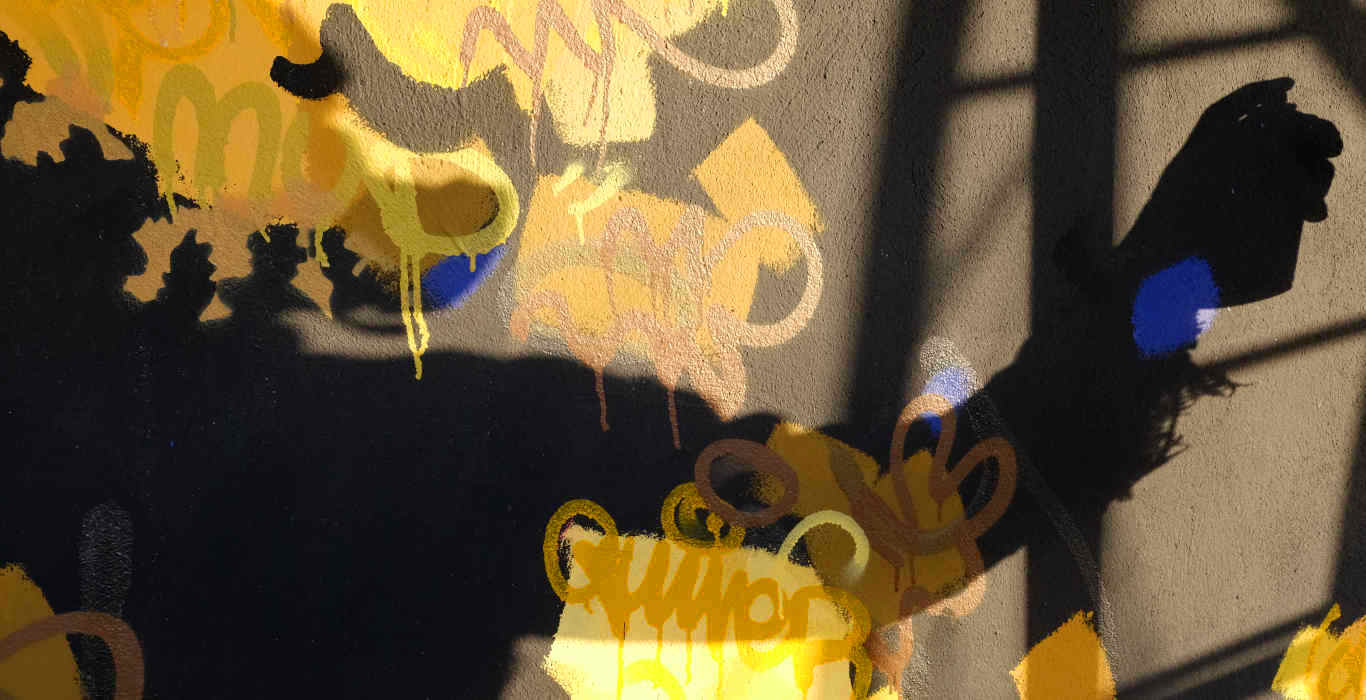
Large-scale murals that turn walls into landmarks of regeneration and belonging.


Murals that aren’t just decoration.
Landscape-driven street art at civic scale – murals that shape how a place feels, works, and is remembered. In regeneration, housing, health and public-realm settings, murals can operate as visible social infrastructure – supporting wellbeing, identity, climate literacy and pride of place.
My work is designed to:
Underneath the paint is a simple, stubborn belief:
If we’re going to transform our economy, our cities and our lives, we first need to see that future – clearly, vividly, on the walls we walk past every day.
These murals aren’t backdrop decoration.
They’re visible commitments: nature-centred, climate-literate, and scaled to match the ambition of the brands, developers and patrons who commission them.
For developers and built-environment teams, this work can sit directly inside your social value, ESG and placemaking commitments – a tangible, long-term benefit written onto the fabric of your project.
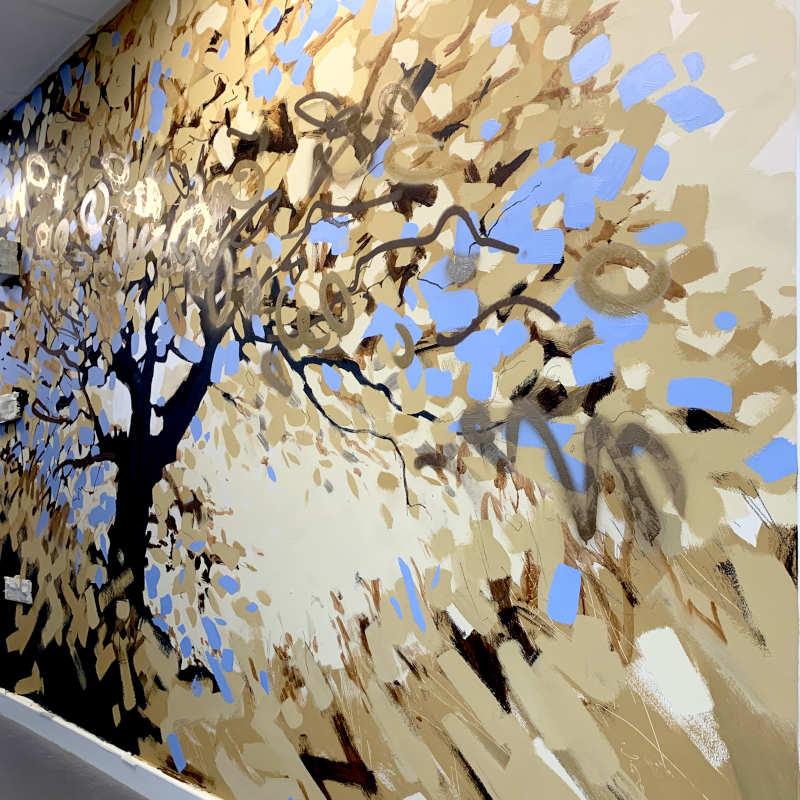
Nursery Oak, Watcombe
internal mural for inspiration, wellbeing and brand story.
brief: natural, earthy, forest-school feel
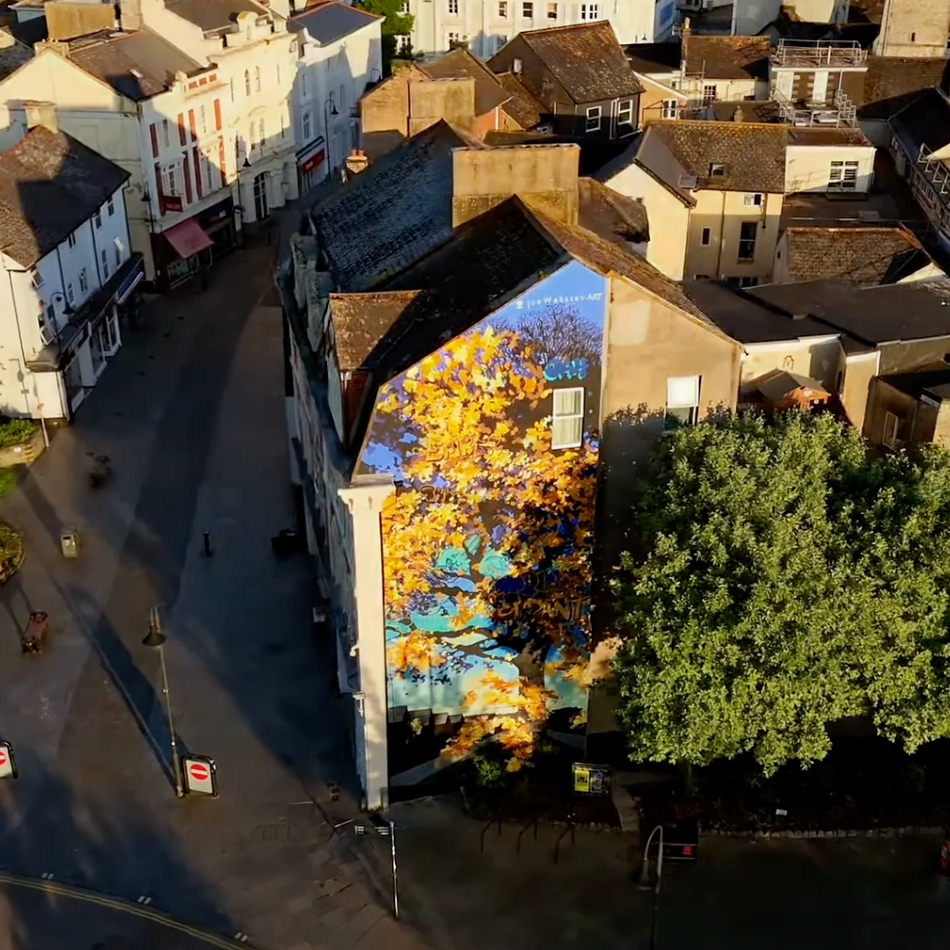
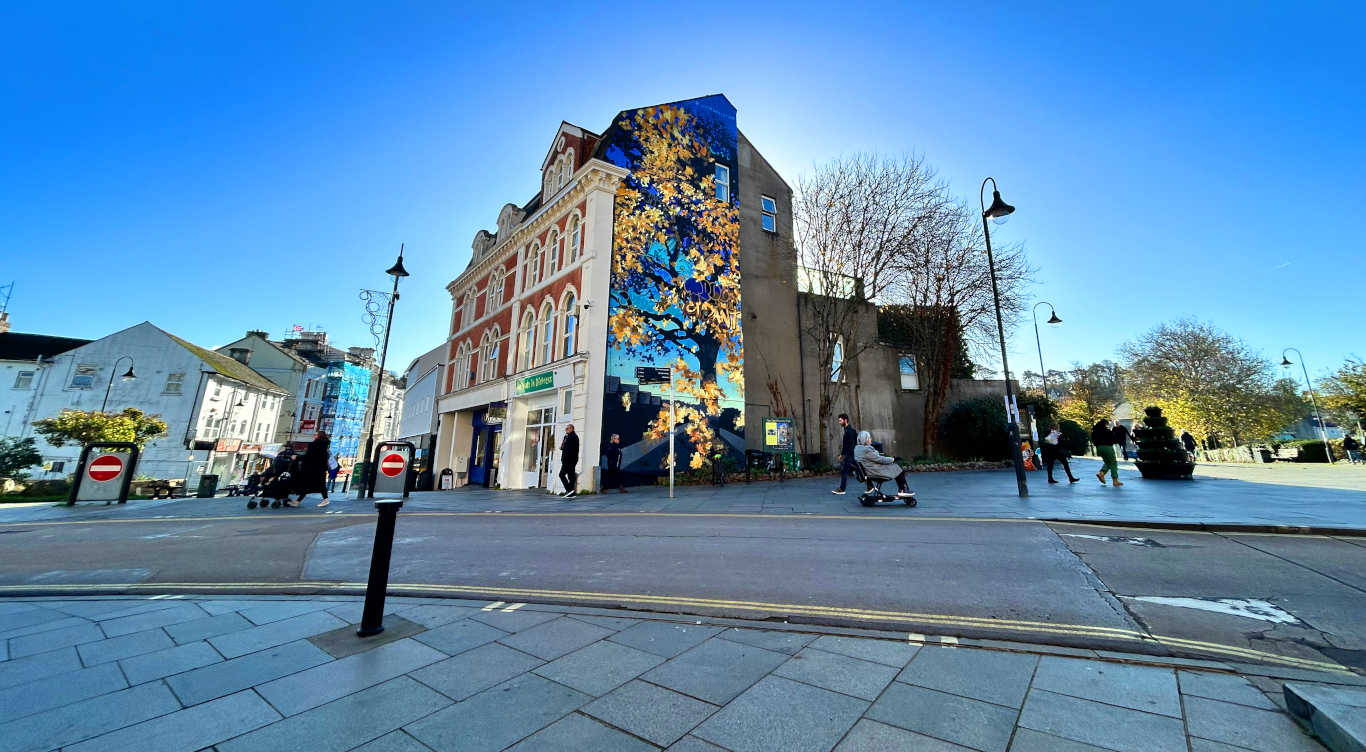
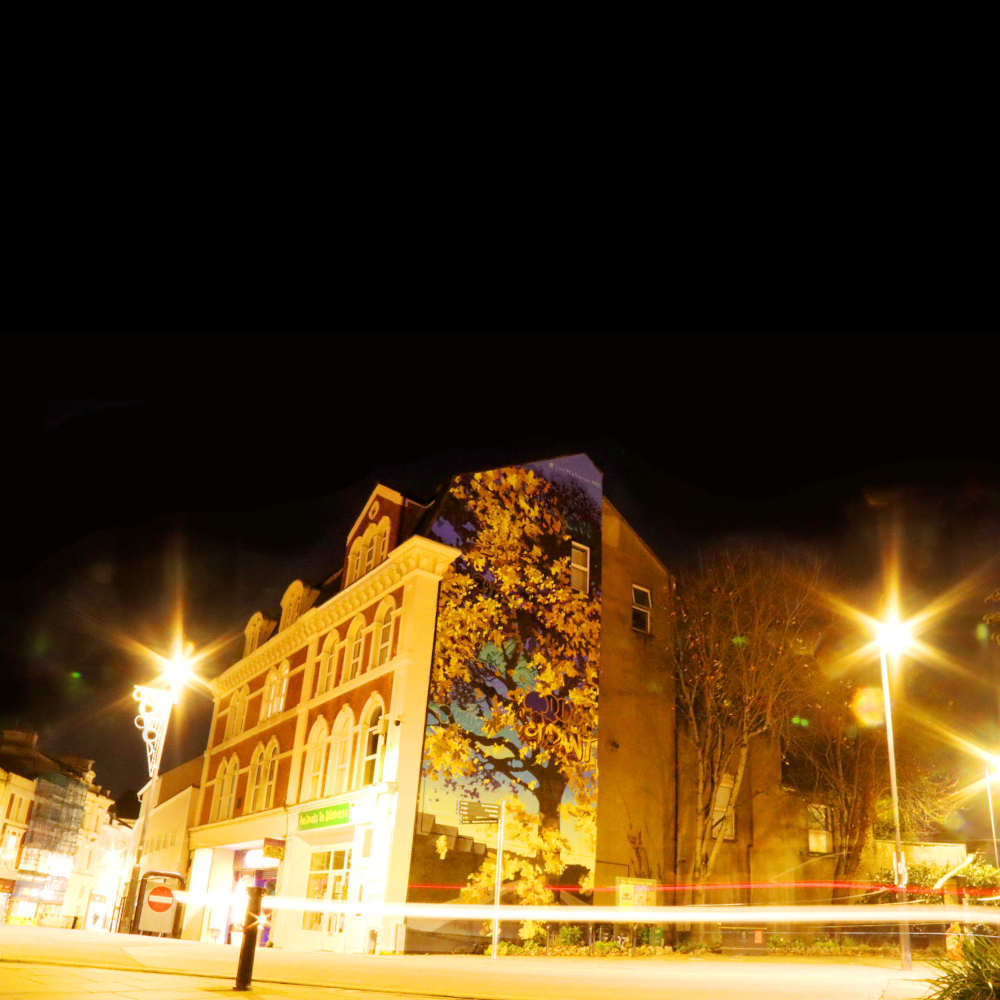
The Community Tree, Devon
feature wall in major pedestrian area
community-co-designed based on local history and relationship with nature
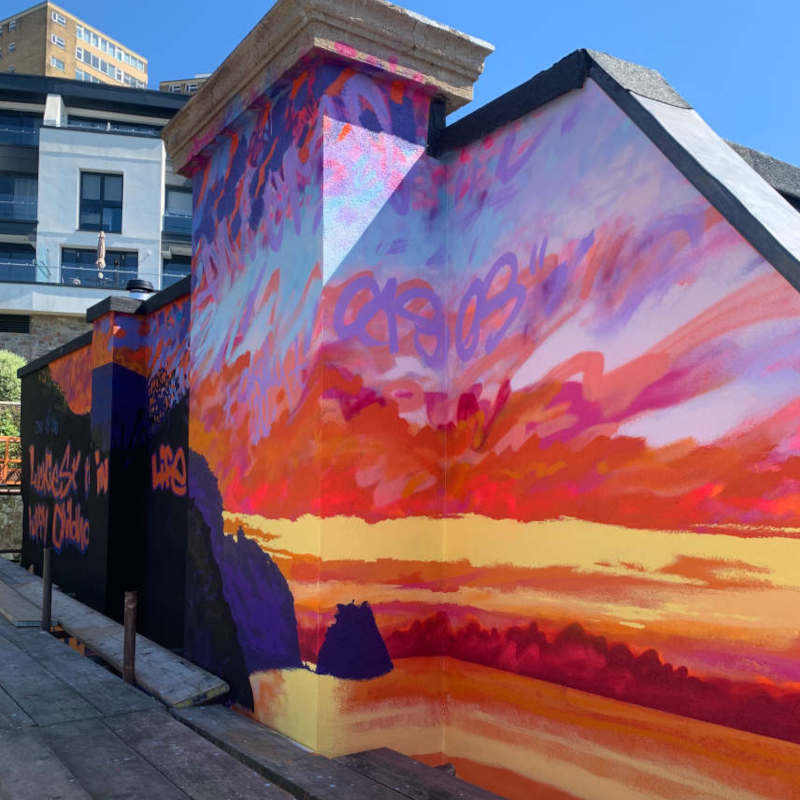
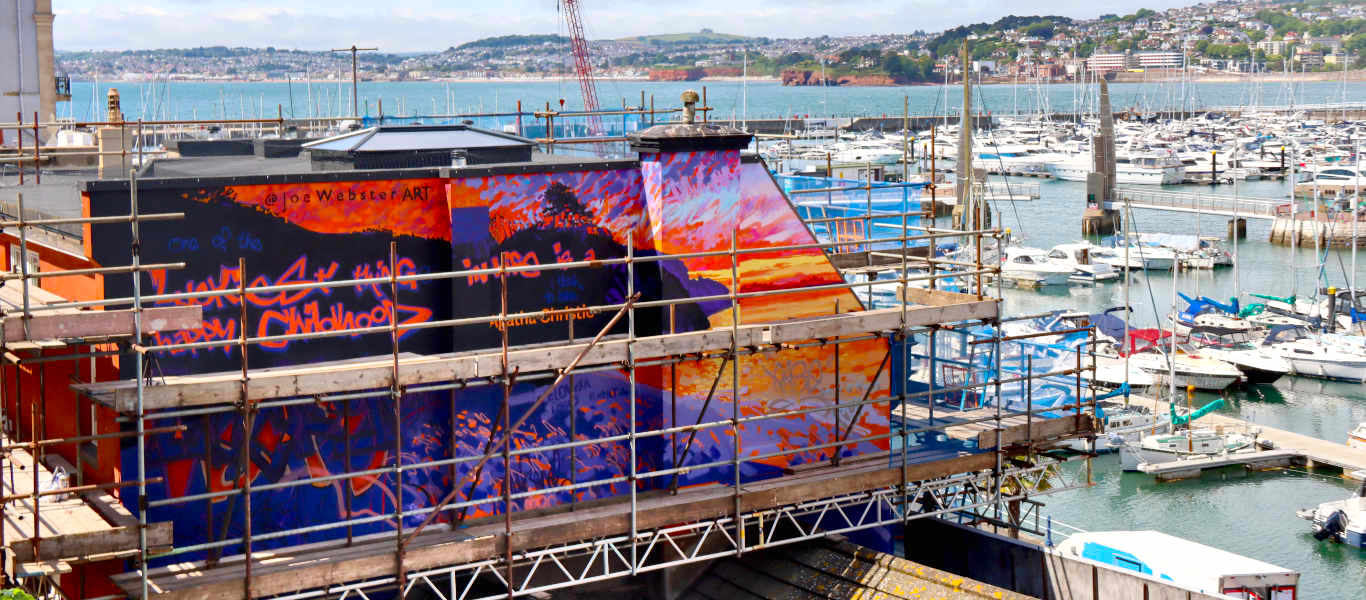
Luckiest Things in Life, Torquay
coastal-urban facade piece for a regeneration gateway, inspired by local history and landscape
I paint for people who want their walls to work harder:
This work is commissioned by climate-ambitious companies, developers and bold patrons who want their investment to show up in the real world — on the walls people pass every day.
For organisations, it typically serves two pressures at once:
Funded by organisations. Held by neighbourhoods.
Aligns with ESG / CSR. Built to outlive the moment.
On sites where a mural can carry weight — internally and publicly:
Inside, it changes the daily atmosphere.
Outside, it becomes a public statement — rooted in nature, built for place.
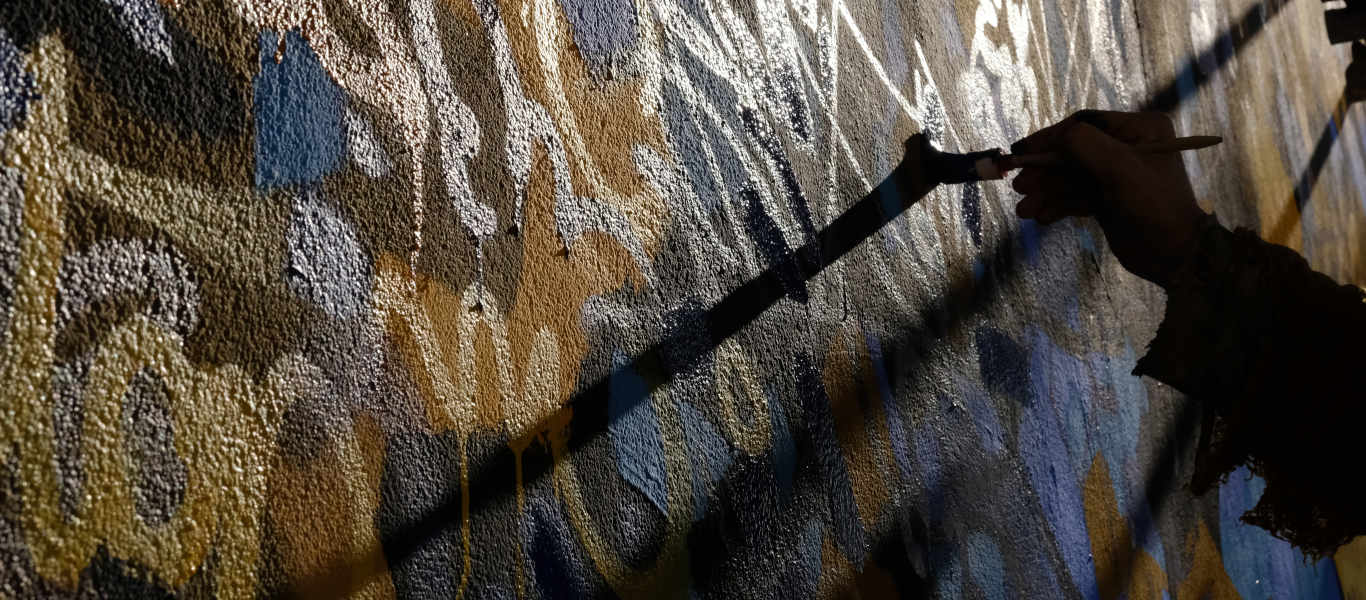
Every wall is different.
Scale, surface and intent shape both the work and the cost.
From first conversation to final clear-coat, you get professional, end-to-end project management so your team isn’t chasing scaffolds, risk assessments or paint deliveries.
In short:
Share your vision → we shape the design together → I manage the wall from prep to aftercare.
I work on a project-fee model rather than day-rates, because every site, story and brief is different.
You share the site and intent – a couple of photos, rough dimensions and what this wall needs to do.
I’ll:
This conversation sets the frame.
A paid design phase (typically from £1,000) defines the mural.
This includes:
At the end of this phase you have
Once the design is signed off, we agree the project fee, schedule and practical details.
For multi-site or phased projects, we can break this into a simple milestone schedule.
This is where the wall transforms.
I handle:
For workplaces and public sites, we can plan minimal-disruption schedules and, if useful, low-key documentation for your comms team (photos, time-lapses, short notes).
Depending on the scale, I may bring in a small, trusted crew for access, equipment or documentation – still under one point of contact: me.
Once the mural is complete, you’ll receive:
This isn’t the cheapest option.
The work is ambitious, technically demanding and created with high-quality, environmentally responsible paints. It’s approached as fine art rather than surface decoration – prioritising longevity, low environmental impact, and clarity of message.
You get a straightforward project fee based on:
Fees sometimes flex for:
If your project fits one of those, mention it in your enquiry and we can talk honestly about what’s possible.
Send a quick enquiry with a couple of photos of the wall, rough dimensions and where you’re based.
From there I’ll:
You don’t need a perfect brief – just a wall, a sense of why it matters, and your rough timeframe.
There isn’t one number that fits every wall – a 3m stairwell and a 40m façade live in different universes – but I can be very clear once I’ve seen your site.
Costs are shaped by:
I don’t compete to be the cheapest option – the focus is on quality, fit and long-term impact. That said, if you have access equipment on site or want to handle priming under guidance, we can remove those costs. I occasionally flex my artist fee for:
If your project fits one of those, mention it in your enquiry and we can discuss options honestly.
After our initial conversation and site review, you’ll have a straightforward quote to consider.
Both indoor and outdoor walls:
Themes tend to orbit:
If you’re clear on your values and why this wall matters, we can shape the rest together.
There are two clocks running: design and paint.
For external projects I generally work between April and October to ensure adhesion and longevity of the paint.
If your project has a key launch, campaign or internal moment in mind, tell me early and we’ll work backwards from that.
I chase weather in the artwork, not in the logistics.
For exterior murals I use professional, outdoor-grade materials and plan around realistic weather windows.
For particularly exposed sites we can build in:
I work with a mix of masonry paints and spray paints chosen for durability, colour and finish – and, increasingly, their environmental footprint.
For masonry work, I typically use mineral-based paints such as Keim, which have outstanding sustainability standards in manufacturing, use and disposal. They’re exceptionally durable, long-lasting and breathable; promoting healthy indoor air quality and allowing buildings to regulate moisture, preventing damage.
For spray-based work, I vary my use. If specified, I use water-based spray paints which contain none of the solvents traditionally associated with spray paints. These have low VOCs, minimal odour and an equal range of brilliant colours.
Designs using entirely eco-based products can have slightly more muted colours and, for external murals, solvent-based sprays sometimes provide greater longevity. Both can be worked around with clever design; on some projects I add small highlights with synthetic paints.
The key is getting the right balance for each site. I’m very happy to align with your materials policy or help you build one for the project.
For interior work we’ll also plan for ventilation and minimal disruption to the people using the space. (The paints I use typically dry very quickly and odours are minimal.)
Sometimes yes, sometimes no – it depends on the building, the wall and the local authority.
Privately owned interiors are usually straightforward. Public-facing or heritage exteriors may need extra steps.
I can’t sign off permissions for you, but I can provide visuals, notes and experience from previous projects to support conversations with landlords, planners or neighbours.
Yes, great! When this is done properly it’s incredibly powerful.
I’m a professionally qualified teacher with over 20 years’ teaching and leadership experience. I can provide structured, purposeful and exciting events to suit any needs and scales.
Options include:
Community involvement adds time and cost, so it’s something we design in from the start rather than bolt on at the end.
I’m based in the South West of England (Devon) and travel for the right projects across the UK.
Travel and accommodation are factored into the project fee for sites further afield. If your wall is in an A+ location or part of a particularly meaningful project, that’s worth mentioning too.
That’s often a good sign.
If you’re clear on your values, site and why this wall matters, we can help you shape the rest.
Open, values-aligned briefs – especially for significant sites – are where the work tends to go deepest, and where I’m most likely to flex on my artist fee.
I’ve spent over 25 years crafting artwork; that back catalogue and experience will support the process.
You don’t need every detail locked in before reaching out – that’s what the design phase is for.